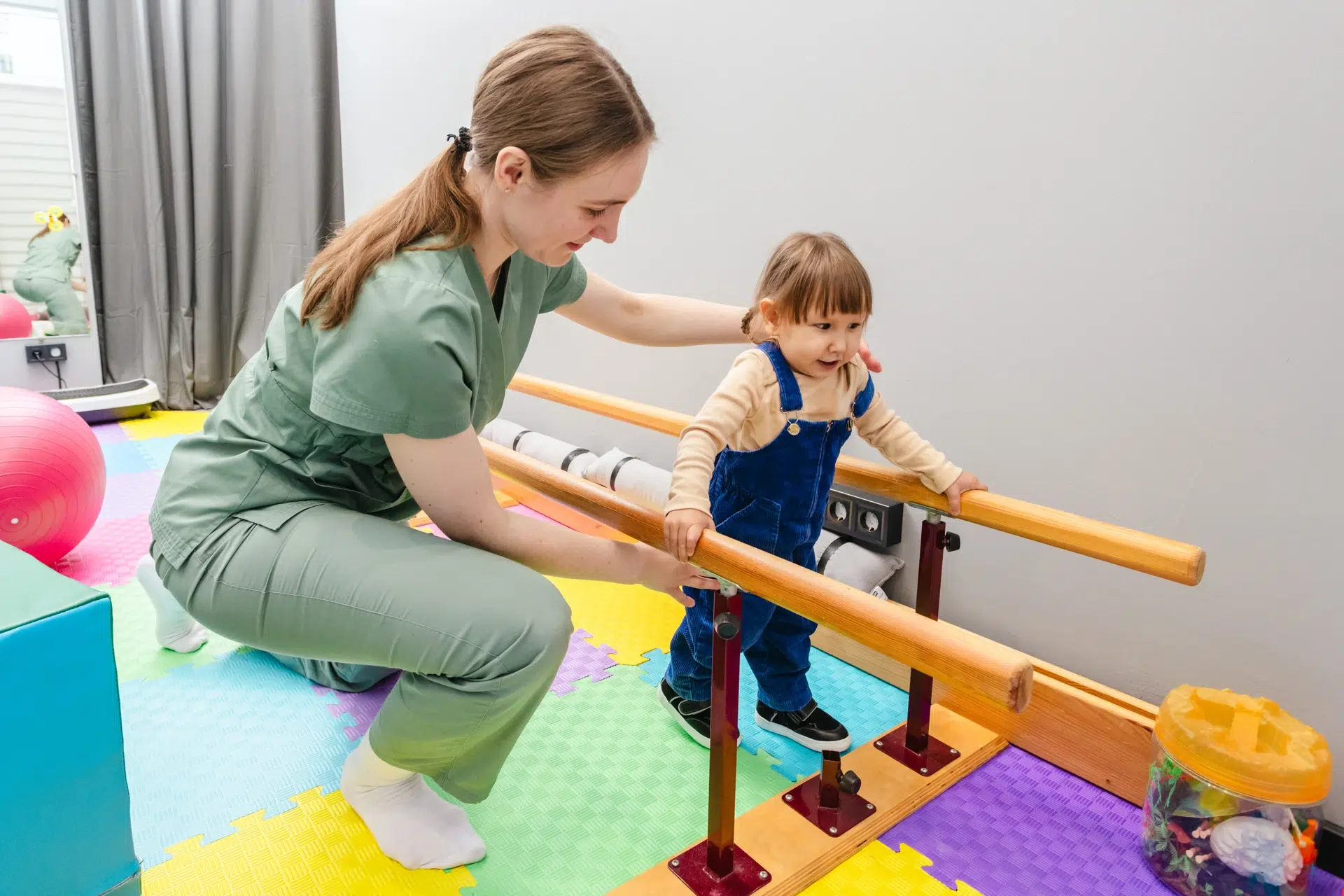
Long-Term Benefits of Pediatric Physiotherapy for Children With Neurological Conditions
Raising a child with a neurological condition often involves navigating a complex landscape of therapies and daily routines. At West Henday Physical Therapy, we understand how necessary early and consistent intervention can be for your child’s growth and independence. Pediatric Physiotherapy in Edmonton focuses on helping children improve movement, coordination, and function while building confidence and resilience. Our goal is to enhance your child’s physical development and quality of life through tailored exercises, guiding you toward lasting benefits every step of the way.
Understanding Neurological Issues
Pediatric physiotherapy addresses challenges arising from conditions such as cerebral palsy, spina bifida, traumatic brain injuries, and other developmental or acquired neurological disorders. It focuses on enhancing the nervous system’s ability to control movement, coordination, and functional skills.
How It Helps Children
- Improves motor control and coordination
- Enhances strength and balance
- Supports daily activities such as walking, climbing stairs, or self-care
- Encourages cognitive engagement alongside physical development
Physiotherapy Techniques for Neurological Conditions
We use evidence-based physiotherapy techniques tailored to each child’s needs, supporting their physical, cognitive, and functional development.
- Neurodevelopmental Techniques (NDT): NDT improves movement patterns, posture, and alignment for children with cerebral palsy or spina bifida. Guided movements develop functional skills and promote proper muscle activation, supporting mobility and independence.
- Task-Oriented Training: This uses repetitive, goal-directed exercises that mimic real-life tasks like reaching or walking. Children with traumatic brain injuries or developmental coordination disorder enhance motor learning and gain confidence by applying skills in daily routines.
- Strength and Conditioning Exercises: Targeted exercises build core and limb strength, improve endurance, and support movement control. Children with neuromuscular disorders or cerebral palsy gain stamina, maintain posture, and reduce fatigue in daily activities.
- Sensory Integration Therapy: Playful activities challenge balance, touch, and body awareness. Children with developmental coordination disorder or brain injuries improve coordination, attention, and overall physical and cognitive development.
- Balance and Coordination Training: Using stability balls, wobble boards, and stepping patterns, this training improves postural control and stability for children with spina bifida, cerebral palsy, or neuromotor conditions, supporting safer, smoother movements.
Key Long-Term Benefits
Consistent physiotherapy offers long-term benefits that support physical, cognitive, emotional, and social growth, especially for children with cerebral palsy, spina bifida, brain injuries, or developmental coordination disorder.
Cognitive Benefits
- Improved Mobility: Children with cerebral palsy or spina bifida often develop better walking patterns, flexibility, and posture through physiotherapy. Over time, they may move more efficiently and with greater endurance, which helps them participate more fully in school and recreational activities.
- Increased Independence: Gains in functional skills such as dressing, feeding, and navigating the home environment support daily life. Children with traumatic brain injuries or developmental coordination disorder benefit from improved independence, allowing them to engage in activities with less reliance on caregivers and boosting self-confidence.
- Enhanced Strength and Coordination: Targeted exercises strengthen muscles and improve balance, reducing the risk of fatigue, falls, or secondary complications like joint stiffness or muscle contractures. Children with cerebral palsy, spina bifida, or neuromuscular disorders experience enhanced physical resilience and control over movements.
- Cognitive and Sensory Development: Activities designed to stimulate the nervous system help improve attention, problem-solving, and sensory processing. Children with traumatic brain injuries or developmental coordination disorder may experience better hand-eye coordination, spatial awareness, and motor planning skills.
- Postural and Musculoskeletal Health: Long-term physiotherapy helps maintain proper alignment and posture, which reduces pain, prevents deformities, and supports healthy musculoskeletal development, particularly in children with cerebral palsy or neuromuscular disorders.
- Prevention of Secondary Health Issues: Regular physiotherapy can prevent or minimize complications such as contractures, scoliosis, or joint degeneration that may arise from limited mobility in children with spina bifida or cerebral palsy.
- Long-Term Habit Formation: Regular engagement in structured movement encourages lifelong physical activity habits, promoting overall health and fitness as children with neurological conditions grow.
- Support for Transition to Adulthood: Early gains in mobility, independence, and self-care skills lay a foundation for smoother transitions into adolescence and adulthood, helping children with neurological conditions adapt to new environments and challenges confidently.
Emotional and Social Benefits
Physiotherapy isn’t just about physical improvement. When children see progress in their abilities, it can boost self-esteem and motivation. Participating in therapy sessions and group activities helps children build social skills, fostering interaction and teamwork with peers. We support your child in gaining confidence and a sense of independence, which carries into school and home life.
- Emotional Well-Being: Achieving milestones in therapy can boost confidence, motivation, and a sense of accomplishment. Children with cerebral palsy or neuromotor conditions often experience reduced frustration and improved emotional regulation, positively affecting relationships and school performance.
- Better Quality of Life: By improving physical, cognitive, and social abilities, children with spina bifida, cerebral palsy, or other neurological conditions are more able to participate in school, play, sports, and family life, supporting long-term engagement and enjoyment in daily activities.
- Social Skills and Peer Interaction: Group activities, play-based exercises, and collaborative tasks in therapy help children with developmental coordination disorder or brain injuries develop communication, teamwork, and social skills critical for school and community life.
- Family Empowerment: Engaging families in therapy gives parents the skills and information they need to reinforce exercises at home. Children with cerebral palsy, spina bifida, or brain injuries benefit when families actively support their progress, ensuring continuity of care.
Pediatric Physiotherapy in Edmonton
We offer personalized one-on-one sessions that combine exercises, play-based activities, and developmental strategies. Our collaborative approach keeps you involved and provides at-home guidance to reinforce progress and support long-term benefits.
Building a Strong Foundation for Long-Term Growth
Pediatric Physiotherapy in Edmonton can provide long-term benefits for children with neurological conditions, improving movement, confidence, and overall development. Through consistent therapy, supportive guidance, and family involvement, your child can achieve meaningful gains that last well into the future. At West Henday Physical Therapy, we are committed to helping your child build a strong foundation for a more independent and engaged life. To arrange a consultation and begin promoting your child’s development, get in touch with us right now.