Common Causes of Pelvic Pain and How Treatment Helps
The body often communicates through whispers of tension before it speaks in the louder language of persistent discomfort. For many, that conversation happens in the pelvic region, a complex intersection of muscle, bone, and nerves that supports our core and internal systems. When this area feels heavy, sharp, or restrictive, it can feel as though your daily rhythm has been disrupted. Finding a path back to comfort often starts with understanding the “why” behind these sensations. By exploring Pelvic Floor Physiotherapy in Edmonton, many are discovering that what felt like an unsolvable mystery is actually a manageable condition rooted in muscular and structural health.
What Is Pelvic Pain?
Pain that radiates to the hips or lower back from the lower abdomen or pelvis is known as pelvic pain. Pelvic pain: sharp, dull, intermittent, or constant, can affect urinary, bowel, or sexual function. Identifying the cause is key to effective management. It may stem from reproductive, urinary, gastrointestinal, or musculoskeletal issues, often requiring approaches like physiotherapy for chronic pelvic pain.
Common Causes of Pelvic Pain
There are several causes of pelvic pain. Here are some of the most common:
Reproductive System-Related Causes
- Menstrual Pain (Dysmenorrhea): Common cramps, though severe pain may signal conditions like endometriosis or fibroids.
- Endometriosis: Painful periods and chronic pain are caused by uterine-like tissue that grows outside the uterus.
- Ovarian Cysts: Pelvic pain can be either sharp or dull, depending on whether the fluid-filled sacs on the ovaries are ruptured or twisted.
- Pelvic Inflammatory Disease (PID): Infection of reproductive organs causing pelvic pain, often with fever or abnormal discharge.
Male Reproductive Causes
- Prostatitis: Inflammation of the prostate causing pelvic or lower back pain, urinary urgency, and discomfort.
- Epididymitis or Testicular Issues: Infection or inflammation in the epididymis or testes can cause pelvic or groin pain.
- Chronic Pelvic Pain Syndrome (CPPS): Pelvic pain that doesn’t go away and is frequently caused by tense muscles or irritated nerves.
Urinary System-Related Causes
- Urinary Tract Infections (UTIs): Bladder or urethra infections causing burning, urgency, and pelvic discomfort.
- Interstitial Cystitis: Chronic bladder and pelvic pain with urinary frequency and urgency, also called painful bladder syndrome.
Gastrointestinal Causes
- Irritable Bowel Syndrome (IBS): Bloating, constipation, and diarrhea can contribute to pelvic discomfort.
- Constipation: Straining and difficulty passing stools may create tension in the pelvic floor muscles.
- Hernias: Inguinal or femoral hernias can cause localized pain in the lower abdomen or groin.
Musculoskeletal Causes
- Pelvic Floor Muscle Dysfunction: Weak, tight, or uncoordinated pelvic muscles can cause pain or urinary issues.
- Hip and Lower Back Problems: Muscle imbalances or injuries nearby can contribute to pelvic discomfort.
- Scar Tissue or Post-Surgical Changes: Surgery may create adhesions or tension, affecting movement and causing pain.
The Impact of Chronic Pelvic Discomfort
Persistent lower abdominal or pelvic pain impacts daily life and well-being. Professional care is essential for lasting relief and a better quality of life.
Challenges in Daily Movement
Tasks like climbing stairs, lifting, or sitting can become difficult. Compensatory movements may strain the knees or spine, emphasizing the need for comprehensive care.
Emotional and Social Well-being
Pelvic pain can lead to stress, anxiety, and social withdrawal. Support from a pelvic floor therapy clinic in Edmonton provides a safe environment for recovery.
How Pelvic Floor Physiotherapy Helps
Pelvic floor physiotherapy in Edmonton focuses on restoring function and comfort in your pelvic region. Beyond pain relief, it targets the muscles and structures supporting your bladder, bowel, and reproductive organs.
Assessment and Personalized Care
A pelvic floor physiotherapist begins with a detailed evaluation of your muscles, posture, and movement patterns. This helps identify:
- Areas of muscle weakness or tension
- Pelvic alignment issues
- Trigger points or scar tissue
- Dysfunction affecting urinary, bowel, or sexual function
This assessment informs a customized treatment plan tailored to your needs.
Targeted Exercises and Muscle Training
Physiotherapy for chronic pelvic pain often includes retraining your pelvic floor muscles:
- Strengthening weak muscles for improved support and stability
- Relaxing tight muscles to reduce tension and discomfort
- Improving coordination between the pelvic floor and surrounding muscles
Therapists also provide strategies to integrate exercises into daily routines for lasting results.
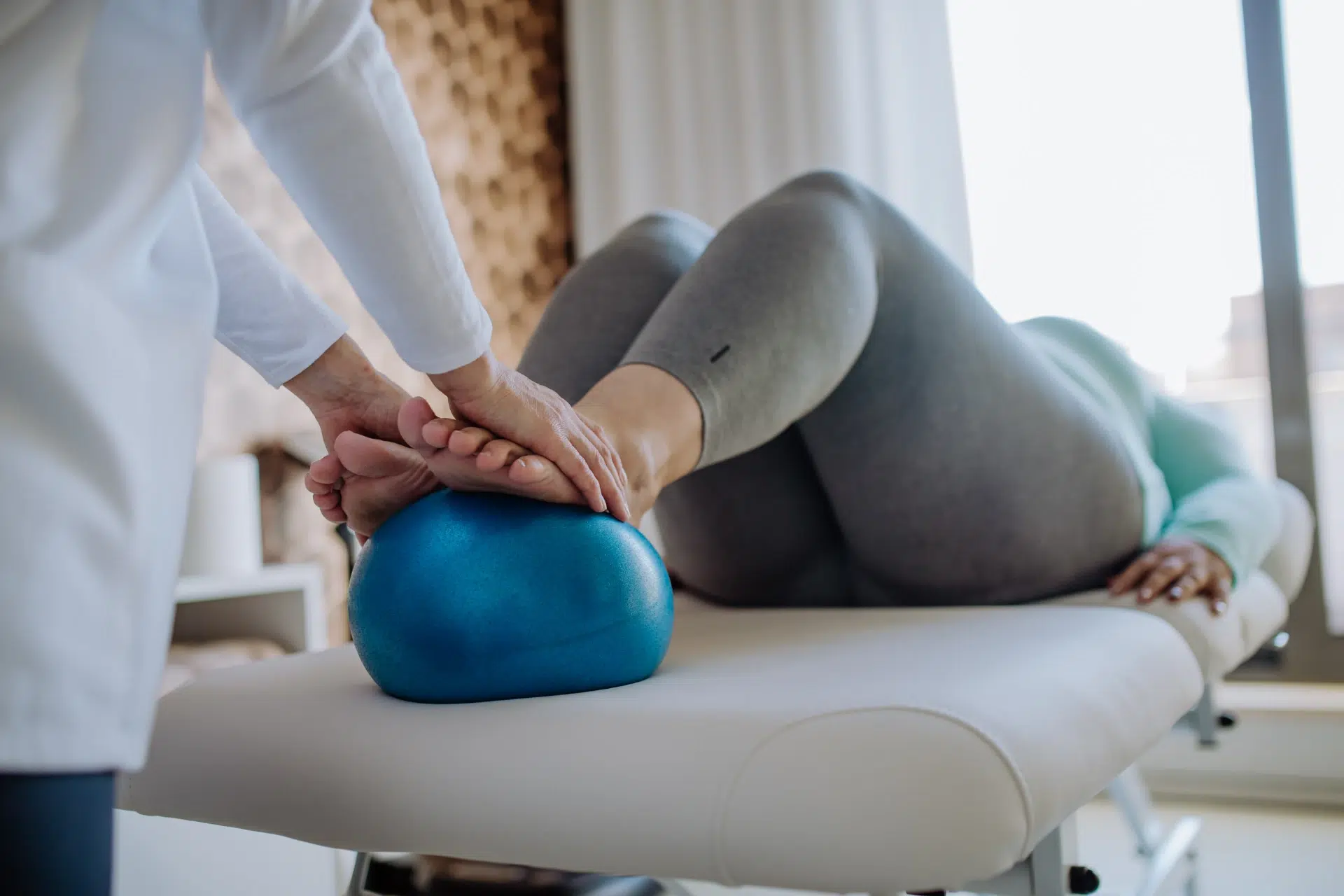
Manual Therapy Techniques
Hands-on approaches can release tension, improve circulation, and relieve discomfort:
- Gentle stretching of the pelvic, hip, and lower back muscles
- Soft tissue mobilization
- Trigger point release
- Myofascial release for connective tissue restrictions
- Joint mobilization to enhance pelvic and sacroiliac mobility
Focused Physiotherapy Techniques
Pelvic floor physiotherapy may also include:
- Biofeedback: Using sensors to help you better control and activate pelvic muscles
- Electrical stimulation: Stimulates weak muscles or reduces overactive muscle tension
- Core and hip stabilization exercises to support the pelvis
- Relaxation and diaphragmatic breathing techniques to reduce pelvic tension
- Postural retraining to optimize spinal and pelvic alignment
- Scar tissue mobilization following surgery or childbirth to improve tissue flexibility
Education and Lifestyle Guidance
Education empowers you to manage symptoms and prevent recurrence:
- Posture and body mechanics during daily activities
- Bladder and bowel management techniques
- Breathing exercises to reduce pelvic tension
- Activity modifications to avoid aggravating pain
By combining these strategies, pelvic floor physiotherapy provides a comprehensive approach to restoring pelvic function and improving quality of life.
When to Seek Pelvic Floor Therapy
You may consider visiting a pelvic floor therapy clinic in Edmonton if you experience:
- Persistent pelvic pain lasting more than a few weeks
- Discomfort during urination, bowel movements, or sexual activity
- Difficulty controlling bladder or bowel function
- Muscle tension or weakness in the lower abdomen, hips, or pelvic floor
Early physiotherapy for chronic pelvic pain prevents complications and supports gradual, lasting improvement.
Take Control of Your Pelvic Health Today
If you’re experiencing pelvic pain, a pelvic floor physiotherapist can make a real difference. At West Henday Physical Therapy, we work with you to assess and manage your discomfort through targeted exercises, manual therapy, and education.
Whether from muscle dysfunction or post-surgical changes, pelvic floor physiotherapy in Edmonton offers a structured approach to improve pelvic health and support long-term recovery. Take charge of your pelvic health, book your session at West Henday Physical Therapy today!